
- Home
- Services and Areas
- FPV Drone
Production · FPV drone
FPV Drone Filming
FPV drone filming is a technique in which the pilot flies while watching the drone's camera live through goggles, which allows the drone to pass through narrow gaps, dive and climb, and flow through a venue without a break. The result is footage that gives the viewer the feeling of flying. At Kavron Media our Manavgat-based team carries out FPV filming in Antalya, Side, Alanya and Belek; the one-take FPV tours we have made for hotels are on YouTube. This page explains what the technique is, in which kinds of work it makes sense, and how an FPV shoot is planned.
What is an FPV drone?
FPV is short for first-person view. The pilot watches the image from the drone's front camera in a pair of goggles and controls the craft as though sitting inside it. This way of flying permits movements that conventional camera drones cannot make: gliding in through a window, descending a stairwell, passing between trees and opening out towards the sea.
FPV craft come in different sizes. Indoors and in areas close to people, small, light models with their propellers inside a protective frame are used; these fly slowly and under control. In the open air, for shots such as tracking a vehicle or a fast dive, more powerful models are preferred. The venue to be filmed and the footage wanted determine which craft is used.
The difference between a standard drone and FPV
A standard camera drone can hover in the air, rise and turn slowly, and give wide, steady shots. It is the right tool for showing where a hotel sits on the coast, the boundaries of a plot of land or the size of an event site. Its footage is calm and informative.
FPV, by contrast, is constantly in motion. Hovering is not its job; its strength is flow. It picks the viewer up at one point and carries them to another without a cut. For this reason the two do not replace each other; they complement each other. In a promotional film the wide opening shot comes from the standard drone, and the scene that dives into the venue comes from FPV. We describe our conventional aerial filming work in the area separately, on the Manavgat drone filming page.
What kinds of work is FPV used for?
- Hotel and holiday resort tours: a one-take journey from the lobby to the pool and on to the beach.
- Restaurant, beach club and event venue tours: an unbroken flow from the entrance to the best table.
- Factory, warehouse and plant presentations: the process followed along the production line.
- Automotive and motorsport: close tracking of a vehicle in motion.
- Nature and adventure sports: shots that follow the action in rafting, cycling, boat trips and similar activities.
- Property and villa promotion: a journey from the garden indoors, through the rooms and out to the terrace.
- Commercials: a single eye-catching opening or transition scene.
How is an FPV shoot planned?
Brief
We talk about what the video will say and where it will be shown. FPV is not a tool for showing off but a tool for storytelling; the route has to have a purpose.
Recce
We walk around the venue and note the doors to be passed through, the ceiling heights, the glass surfaces, the chandeliers, the cables and the points where the signal may weaken.
Route design
The start, the stops and the end point are decided. A good route follows the order in which the viewer would be curious and finishes on the strongest image.
Scene plan
The people who will be seen along the route, the doors that will be standing open and the areas that need to be ready are written down.
Rehearsal
Before the flight the route is tried several times; the timing is worked out with the people who will appear on camera.
Filming
The flight is repeated several times and the most fluid take is chosen.
Safety and flight rules
FPV calls for as much care as it has visual impact. For shots close to people we use small craft with propeller guards, and we make sure that everyone along the route knows about the flight. We do not fly in areas where there are guests who happen to be passing; the shoot is planned for hours when the area is empty or occupied only by people who have been briefed. We make no promise of flights over people.
Commercial flights in the open air are subject to the UAV instruction of SHGM, the civil aviation authority. The instruction requires a pilot licence and registration of the craft for commercial operations, and it also divides flight areas into zones that do not require permission, zones subject to permission and zones closed to flying. For this reason we check the status of the area and whether permission is needed before every shoot; at archaeological sites, around airports and in similar special areas, no flight is made without permission. This text is general information, not legal advice; please verify the current text with SHGM's official source.
Editing, colour and sound design
An FPV camera is wide-angle, and the raw footage sometimes looks shaky or curved at the edges. Before editing, the footage is stabilised, the horizon line is straightened, and the speed is slowed down and sped up in places to suit the rhythm of the story. In colour grading the transitions from indoors to outdoors are the hardest part; when moving from a dim lobby out to a sunlit pool, the transition is worked on carefully so that the picture does not blow out.
The FPV craft's own sound is not used, because it is nothing but motor whine. We build the sound afterwards: a light breeze when passing through a door, the sound of water beside the pool, cutlery and the hum of conversation in the restaurant. This sound design makes the footage feel like a real walk, and it is the detail that separates a good FPV video from an ordinary one.
Delivery and areas of use
The main tour video is delivered in landscape format, for the website and video platforms. Short vertical excerpts for social media can be cut from the same flight; however, cropping a tour shot in landscape to vertical does not always give a good result, so if vertical use is important we plan a separate vertical flight.
FPV footage can be used as the homepage banner of a website, in advertising, in sales presentations and on trade fair screens. It can also appear as a single scene within a longer promotional film. The revision round is set out in the quote; because the route cannot be changed without flying it again, it is important that the route is approved before the shoot.
What shapes the quote
We do not share figures. The quote is determined by the size of the venue and the length of the route, the balance between indoor and outdoor sections, the time needed for rehearsal and filming, the number of people who will appear in the scene, whether additional filming with a standard drone or a ground camera is wanted, the scope of the sound design and the number of versions.
For the shooting day to run efficiently, the venue needs to be ready along the route, the doors open and the people involved in their places. In a venue that is not properly prepared, every take is wasted; in a well-prepared venue, the shot you want is in the bag within a few flights.
From our real projects
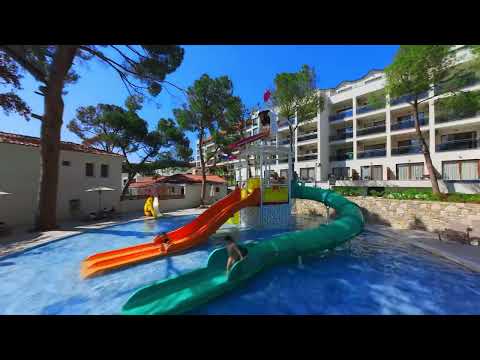
The videos below are published on our YouTube channel. Click to watch.


Frequently asked questions
Can FPV drone filming be done indoors?
Yes, indoors is one of the places where FPV is at its strongest. Small craft with propeller guards can fly under control in spaces such as lobbies, restaurants, halls and corridors. Ceiling height, hanging objects and glass surfaces are examined on the recce and the route is drawn accordingly.
Is an FPV drone noisy, and will it disturb guests?
Small FPV craft make a noise too, and they attract attention when passing close by. So we plan the shoot for the hours when there are fewest guests about and keep the flights short. If the area concerned is temporarily closed to use for the duration of the shoot, both safety and comfort are assured.
Do you film in windy or rainy weather?
Strong wind and rain make outdoor flights unsafe, and in that case the shoot is postponed. Indoor sections are not affected by the weather. In planning we always set a reserve date, and we watch the weather forecast in the days before the shoot.
Do you fly FPV at the ancient city of Side or similar historic sites?
Archaeological sites and protected areas are subject to special permission; we do not fly in these areas without permission and we make no such promise. If your project needs footage of this kind, we go through the permission process and the options together in the meeting.
Should FPV filming be taken on its own or as part of a film?
Both are possible. A one-take tour is a strong promotional video in its own right. Where you want to give detailed information, a promotional film that combines the FPV scene with ground camera and standard drone footage is more comprehensive.
We want an FPV tour for our hotel; where should we start?
We have described the process for hotels in detail on our FPV drone hotel tour page. In short: list the areas you want to bring out, pick a period when guest numbers are low, and get in touch with us; we will draw the route together on a recce visit.
Let's talk about your project.
Tell us briefly what you have in mind and we will come back with a plan that fits.